
How Bone Grafts Can Enhance Your Dental Implant Success
Understanding Bone Grafts in Dental Implants
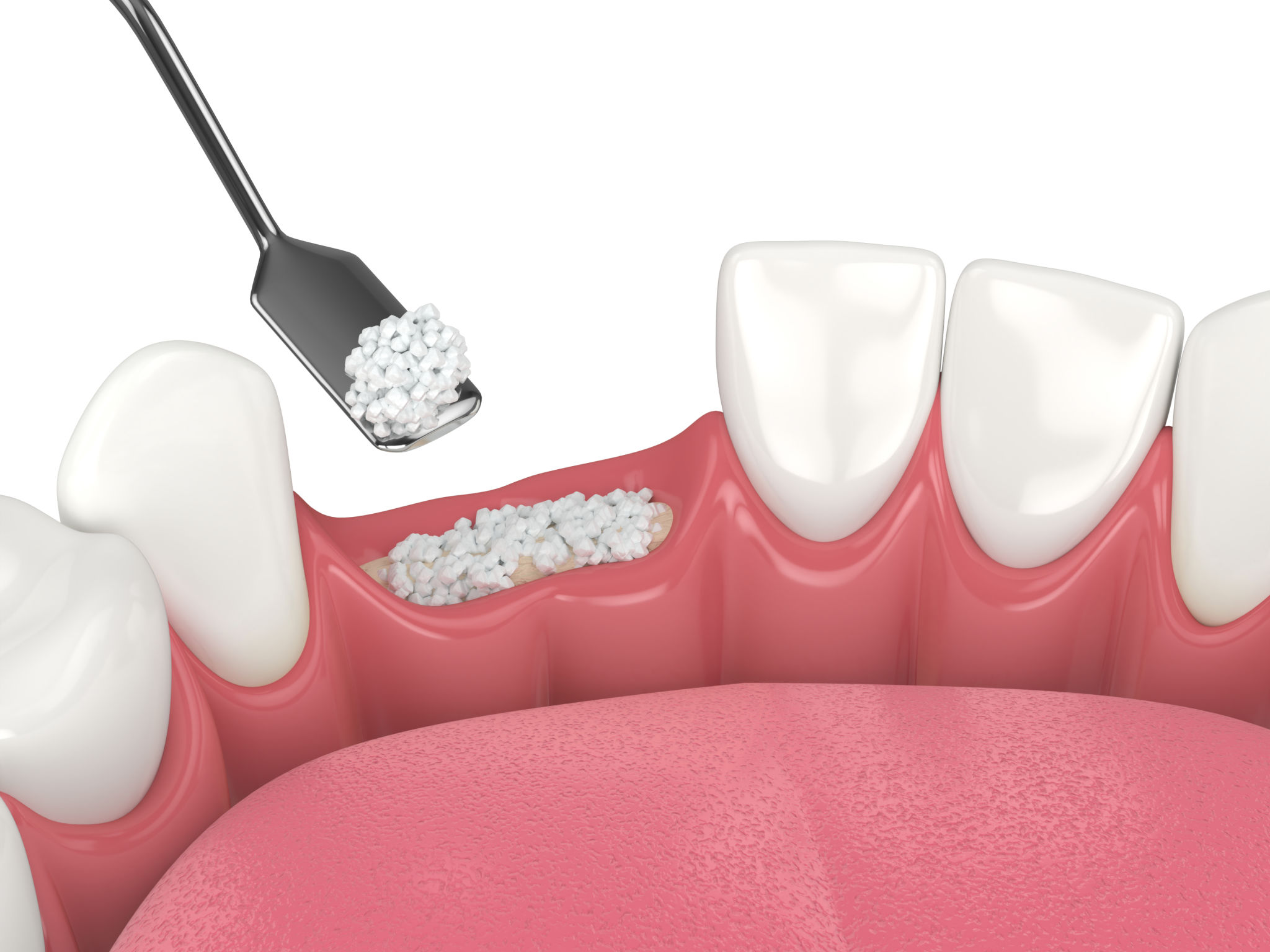
When it comes to dental implants, ensuring a solid foundation is crucial for success. This is where bone grafts come into play. A bone graft is a surgical procedure used to increase the amount of bone in a part of the jaw where bone has been lost or where additional support is needed. By integrating with existing bone, grafts provide the necessary support for dental implants to anchor securely.

Why Bone Grafts are Essential
Bone loss in the jaw can occur due to several factors, including periodontal disease, tooth extraction, or trauma. When there's insufficient bone mass, dental implants may not have enough support to hold them in place. A bone graft helps rebuild this lost bone, ensuring that the implant can be placed securely and function effectively.
Without a bone graft, the stability and longevity of a dental implant can be compromised. The graft acts as a scaffold, allowing new bone to grow and integrate with the implant, creating a strong base for your new tooth.
Types of Bone Grafts
There are several types of bone grafts used in dental procedures:
- Autografts: Bone is taken from another area of the patient's body.
- Allografts: Bone is sourced from a donor.
- Xenografts: Bone is derived from an animal source, typically bovine.
- Alloplasts: Synthetic materials that stimulate bone growth.
The Procedure and Recovery
The bone grafting procedure is typically performed under local anesthesia. The surgeon makes an incision in the gum to access the bone, placing the graft material where it's needed. Over time, the graft fuses with the existing bone, creating a solid foundation for the implant.
Recovery from a bone graft can vary depending on the extent of the graft and the patient's overall health. It's common to experience some swelling and discomfort, but these symptoms usually subside within a few days. A full recovery can take several months as the graft integrates with the jawbone.
Enhancing Dental Implant Success
The success of dental implants largely depends on the quality and quantity of the jawbone. By using bone grafts, dentists can significantly enhance the likelihood of a successful implant. This procedure not only supports the implant but also helps maintain the shape and density of the jawbone, preventing further bone loss.

Risks and Considerations
While bone grafting is generally safe, as with any surgical procedure, there are some risks involved. These can include infection, graft rejection, or complications related to anesthesia. It's crucial to discuss these potential risks with your dentist or oral surgeon to make an informed decision.
Choosing a qualified professional with experience in bone grafting can minimize these risks and ensure the best possible outcome for your dental implant.
Conclusion
Bone grafts play a pivotal role in enhancing the success of dental implants. By providing a strong foundation, they ensure that implants can function effectively and last for many years. If you're considering dental implants, discussing bone graft options with your dentist can help you achieve the best results for your oral health.